
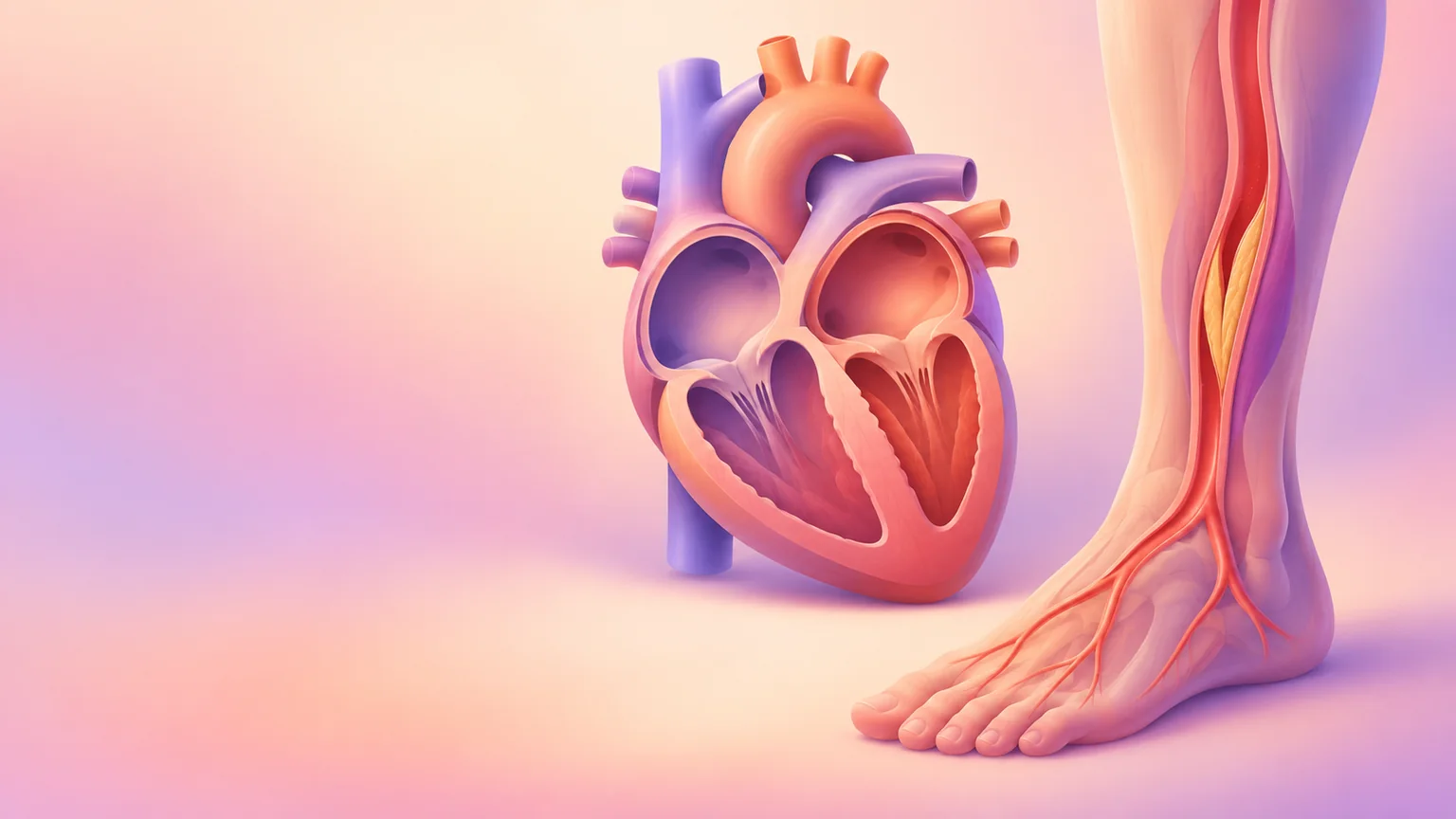
September is PAD and AFib Awareness Month
Do You Remember That the Month of September is PAD Awareness Month AND Atrial Fibrillation (Afib) Awareness Month?
Peripheral artery disease (PAD) is a condition that’s unknown to many, yet it affects more than 230 million people worldwide. In the U.S. alone, it’s estimated that more than 8.5 million people live with PAD, putting them at risk for serious complications.
PAD is characterized by a narrowing of the arteries that carry blood from the heart to other parts of the body. This narrowing, medically known as stenosis, ultimately impairs blood flow. PAD most commonly affects the lower half of the body (called lower- extremity PAD), and occurs when plaques build up in artery walls, narrow the walls, and reduce the flow of blood to the legs and feet.
Atrial fibrillation (Afib) is a common condition that affects at least 2.3 million adults in the U.S. It primarily develops in people over the age of 65. Patients with high blood pressure and heart disease, and those born with heart defects, have a greater risk of developing Afib.
Afib occurs when the electrical impulses that power the heart are uneven, causing the heart to beat irregularly. A heart with Afib works harder but pumps less blood. Blood can then pool in the heart, leading to possible stroke.
For more information, check out our resources on PAD and Afib.
Keep reading
 Atrial Fibrillation (AFib)
Falls and Anticoagulation: What You Should Know
Anticoagulants, also known as blood thinners, are effective in treating and preventing blood clots, but they increase the risk of bleeding.
Read Atrial Fibrillation (AFib)
When Bleeding is a Nuisance
Anticoagulants (blood thinners) can be lifesaving if you have atrial fibrillation (Afib) or a history of blood clots.
Read Atrial Fibrillation (AFib)
Treatment Options for Atrial Fibrillation: What Patients Should Know
Atrial fibrillation (AFib) is a common heart rhythm problem that causes the upper chambers of the heart to beat unevenly. When the heart doesn’t beat in a steady way, blood may not flow as it should.
Read