
Cholesterol
Cholesterol is a waxy substance your body needs, but too much LDL cholesterol can collect in arteries and raise heart risk.
Cholesterol is a waxy substance found in your blood. Your body uses cholesterol to build cells and make hormones and vitamins. Your liver makes most of the cholesterol you need.
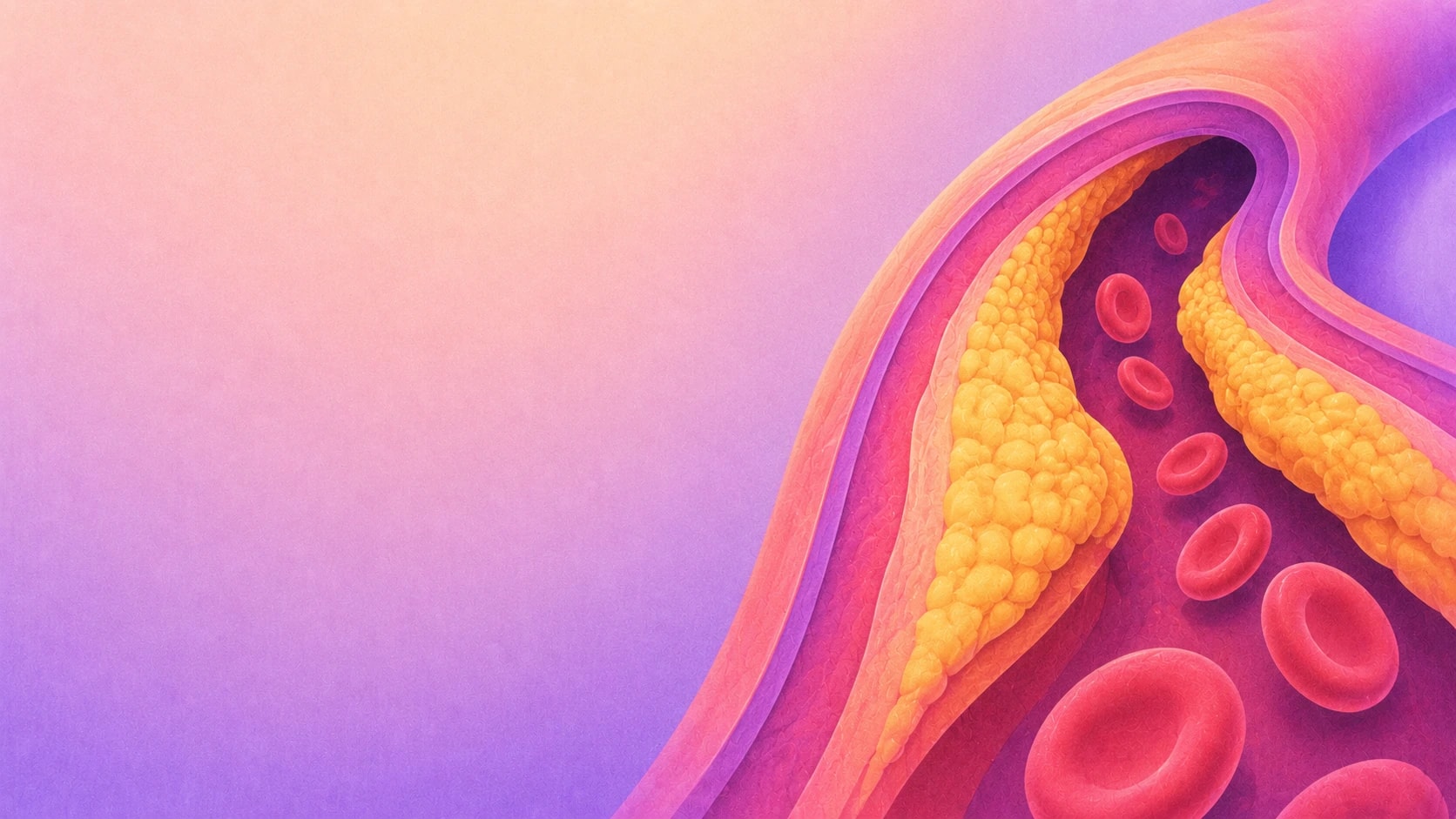
Cholesterol travels through the blood attached to particles called lipoproteins. LDL cholesterol can build up in artery walls. When LDL levels are too high, plaque can form inside the arteries. Plaque is a buildup of fat and other materials that can narrow blood vessels and reduce blood flow. High cholesterol increases the risk of heart attack, stroke, and other vascular conditions.
Symptoms
High cholesterol usually does not cause symptoms. Many people learn they have high cholesterol through routine blood tests.
In some cases, very high cholesterol that runs in families can cause:
- Small, fatty bumps under the skin, often near the elbows, knees, hands, or ankles
- A pale gray or white ring around the colored part of the eye
Most people do not feel any different when cholesterol is high. Serious symptoms may occur only after plaque significantly narrows or blocks an artery. Call 9-1-1 right away if you notice signs of a heart attack or stroke, such as chest pain, sudden weakness, trouble speaking, or severe shortness of breath.
Causes & Risk Factors
High cholesterol develops when there is more cholesterol in the blood than the body can use or remove. Several causes and risk factors can contribute.
Causes
High LDL cholesterol can occur when:
- The liver produces too much cholesterol
- The body does not remove LDL cholesterol efficiently
- Cholesterol builds up in artery walls faster than the body can clear it
Inherited conditions, such as familial hypercholesterolemia, affect how the body processes LDL cholesterol. People with this condition often have very high LDL levels starting at a young age.
Risk Factors
Some risk factors can be changed. Others cannot.
Modifiable risk factors
- Diet high in saturated fats
- Physical inactivity
- Excess body weight
- Smoking
- Poorly controlled diabetes
- Certain medications
Non-modifiable risk factors
- Family history of high cholesterol
- Genetic conditions such as familial hypercholesterolemia
- Increasing age
High cholesterol is more common in some populations due to a combination of genetics, environment, and access to care.
Diagnosis
Clinicians diagnose high cholesterol with a blood test called a lipid panel. This test measures:
- LDL cholesterol
- HDL cholesterol, often called “good” cholesterol
- Total cholesterol
- Triglycerides
You usually need to fast before the test, depending on your clinician’s instructions.
A single test can identify high cholesterol. However, clinicians may repeat testing to confirm results or monitor response to treatment. Your clinician will also consider your age, medical history, blood pressure, diabetes status, and overall cardiovascular risk when deciding on treatment.
Treatments
The goals of treatment are to lower LDL cholesterol and reduce the risk of heart attack and stroke. Your treatment plan depends on your cholesterol levels and overall cardiovascular risk. Not every person needs medication.
Lifestyle Changes
Lifestyle changes are important for most people with high cholesterol.
- Choose foods lower in saturated fat
- Eat more vegetables, fruits, whole grains, and lean proteins
- Be physically active most days of the week
- Reach and maintain a healthy weight
- Avoid tobacco products
Even moderate changes can improve cholesterol levels.
Medications
Some people need medication in addition to lifestyle changes.
Statins are the most commonly prescribed medicines for lowering LDL cholesterol. They help the liver remove more LDL from the blood. Other medications may be used if statins are not enough or are not well tolerated.
Your clinician will review the benefits and possible side effects before prescribing medication. Treatment decisions are individualized based on your overall risk.
Procedures
Procedures do not treat high cholesterol directly. However, if plaque narrows or blocks an artery, clinicians may recommend procedures to restore blood flow. These procedures treat complications of long-standing plaque buildup. Lifestyle changes and medications remain essential for managing cholesterol levels long term.
Living Well & Prevention
High cholesterol is a long-term condition for many people. Ongoing care focuses on lowering cardiovascular risk and preventing complications.
Regular follow-up visits help track cholesterol levels and adjust treatment when needed. Blood tests show how well lifestyle changes or medications are working.
Prevention strategies include:
- Eating a balanced eating pattern
- Staying physically active
- Maintaining a healthy weight
- Avoiding tobacco
- Managing blood pressure and diabetes
Knowing your cholesterol numbers empowers you to take an active role in your health. Small, consistent steps can reduce your risk and support long-term heart and vascular health.
Immersive experience
Inside cholesterol
A swipe-through journey through this condition, in production now.
In production
Watch

Reading on this condition

Cholesterol and Blood Clots: What’s the Connection
Most people think of cholesterol as a bad thing but cholesterol itself is not inherently unhealthy. In fact, it’s a necessary building block within the body.
Read
Cholesterol: The Good and The Bad
There are two types of cholesterol, the “bad” and the “good.”
Read
The New Cholesterol Medications: More Powerful than Statins
There’s a new class of cholesterol medications on the market and they could be more powerful than statins. It’s a game changing possibility that could help patients across the United States who struggle to lower their LDL...
ReadThe community
Good conversations. People who understand.
Connect with people who understand, share experiences, and ask what’s on your mind.








Your questions belong here.
Meet the people behind the questions in Cholesterol.
Finding your community…