
Diabetes
Diabetes affects how your body controls blood sugar, and blood sugar that stays high over time can damage blood vessels throughout the body.
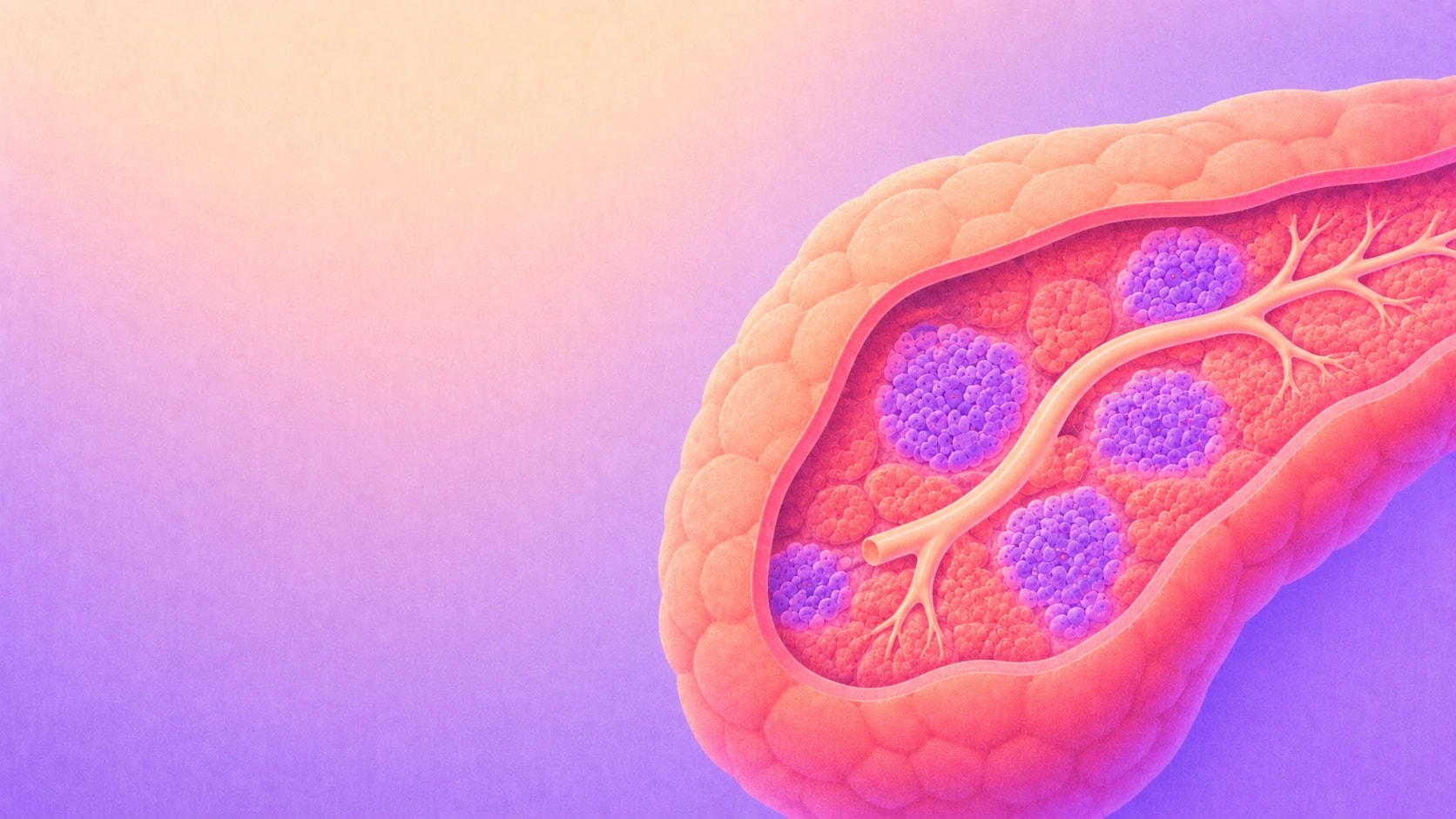
Diabetes is a chronic condition that affects how your body uses blood sugar, also called glucose. Glucose gives your cells energy. Insulin, a hormone made by the pancreas, helps move glucose from your blood into your cells.
If your body doesn’t make enough insulin or doesn’t use insulin properly, blood sugar rises. High blood sugar can damage blood vessels and organs, including the heart, brain, kidneys, eyes, and nerves. Early diagnosis and steady management can lower these risks.
There are different types of diabetes. Understanding your type can reduce confusion, guide treatment decisions, and help you know what to expect.
Symptoms
Diabetes may not cause clear symptoms at first. Some people learn they have diabetes during routine blood work.
Common symptoms include:
- Increased thirst
- Frequent urination
- Feeling very tired
- Blurred vision
- Cuts or sores that heal slowly
- Tingling, numbness, or pain in the hands or feet
Very high blood sugar can cause severe symptoms such as confusion, vomiting, or trouble staying awake. Call 9-1-1 or seek urgent care if someone becomes unresponsive or very ill.
Causes & Risk Factors
The American Diabetes Association recognizes four main categories of diabetes. Clear classification helps guide treatment and reduces the risk of misdiagnosis.
- Type 1 diabetes: The immune system attacks the insulin-producing cells in the pancreas. The body makes little or no insulin. People with type 1 diabetes need insulin from the time of diagnosis.
- Type 2 diabetes: The body becomes resistant to insulin and does not use it effectively. Over time, the pancreas may produce less insulin. Blood sugar levels gradually rise.
- Gestational diabetes: Develops during pregnancy when hormonal changes make it harder for the body to use insulin. Blood sugar often returns to normal after pregnancy, but the risk of future diabetes is higher.
- Specific types due to other causes: Some forms result from genetic conditions, diseases of the pancreas, or certain medications. These types are less common but still require accurate diagnosis and individualized treatment.
Risk Factors
Some risk factors can be changed. Others cannot.
Modifiable risk factors
- Excess body weight
- Physical inactivity
- High blood pressure
- Unhealthy cholesterol levels
- Smoking
- History of gestational diabetes
Non-modifiable risk factors
- Family history of diabetes
- Older age
- History of prediabetes
- Certain genetic conditions
Diabetes is more common in some racial and ethnic communities, including Black, Hispanic or Latino, Native American, and Asian American populations. Differences in access to care, environment, and social factors contribute to this pattern.
Diagnosis
Clinicians diagnose diabetes using blood tests that measure blood sugar.
Common tests include:
- Fasting plasma glucose (FPG): Measures blood sugar after not eating for at least 8 hours.
- A1C test: Shows average blood sugar over the past 2 to 3 months.
- Oral glucose tolerance test (OGTT): Measures blood sugar before and after drinking a glucose beverage.
In most cases, diagnosis requires two abnormal results. A clinician may repeat the same test on another day or use a different test to confirm the diagnosis.
Correct classification of diabetes type is an important part of diagnosis because treatment depends on it.
Treatments
The goals of treatment are to keep blood sugar in a safe range and reduce the risk of blood vessel damage. Treatment depends strongly on the type of diabetes. Not every person needs the same plan.
Lifestyle Changes
Healthy daily habits support all types of diabetes.
- Eating balanced meals with appropriate portions
- Limiting sugary drinks and highly processed foods
- Staying physically active most days of the week
- Reaching and maintaining a healthy weight
- Getting enough sleep
Many people monitor their blood sugar at home. Tracking results helps guide food choices, activity, and medication adjustments.
Medications
Medication needs differ between type 1 and type 2 diabetes.
Type 1 diabetes
People with type 1 diabetes require lifelong insulin therapy because their bodies produce little or no insulin.
Treatment usually includes:
- Multiple daily insulin injections using long-acting and rapid-acting insulin
or
- An insulin pump that delivers insulin continuously
Many people now use automated insulin delivery systems. These systems combine a continuous glucose monitor with an insulin pump. The device adjusts insulin delivery based on real-time glucose levels. This approach can improve blood sugar control and reduce low blood sugar episodes.
People with type 1 diabetes also receive education on matching insulin doses to food intake, physical activity, and blood sugar trends.
Type 2 diabetes
Type 2 diabetes treatment is often stepwise.
- Metformin is commonly the first medication for many people.
- Other oral or injectable medications may be added if needed.
- Some newer medications help lower cardiovascular and kidney risk in people with heart or kidney disease.
- Insulin may be added if other medications do not maintain blood sugar in a safe range or if blood sugar is very high at diagnosis.
Treatment plans consider age, other medical conditions, risk of low blood sugar, and personal goals.
Procedures
Most people with diabetes do not need procedures to control blood sugar.
Some individuals with severe obesity and type 2 diabetes may benefit from metabolic or bariatric surgery. These procedures can improve blood sugar control in selected patients. Decisions are individualized and require long-term follow-up.
Living Well & Prevention
Diabetes is a long-term condition, but many people live full and active lives with proper care.
Ongoing management often includes:
- Regular medical visits
- Blood sugar monitoring
- Blood pressure and cholesterol checks
- Eye exams
- Foot exams
- Kidney function testing
If you have prediabetes, lifestyle changes can lower your risk of developing type 2 diabetes.
Understanding your diabetes type, staying engaged in your care, and working with your healthcare team can help protect your blood vessels and overall health.
Immersive experience
Inside diabetes
A swipe-through journey through this condition, in production now.
In production
Watch
Diabetes and Heart Health

Reading on this condition

Can Diabetes Increase Your Risk of Blood Clots
Diabetes can affect your health in many ways, including increasing your risk of blood clots. There are two classifications of diabetes: type 1 and type 2.
Read
Weight Loss Medications and Heart Disease Risk
Diabetes and obesity are two conditions that can raise the risk for both heart disease and blood clots. Now, a new class of medications called glucagon-like peptide-1 receptor agonists (aka GLP-1s ) has been getting a lot of...
Read
Not Sure What to Ask at Your Visit?
Use this guide to help you prepare. These questions are meant for anyone who wants to better understand their heart and blood vessel health, whether you’re newly diagnosed, managing ongoing risks, or just trying to stay healthy.
ReadThe community
Good conversations. People who understand.
Connect with people who understand, share experiences, and ask what’s on your mind.








Your questions belong here.
Meet the people behind the questions in Diabetes.
Finding your community…