

Heart Attack
A heart attack happens when blood flow to part of the heart muscle is blocked, usually by a clot in a coronary artery. Minutes matter, and so does everything that comes after.
Symptoms
Common warning signs
- Pressure, squeezing, or fullness in the center of the chest, lasting more than a few minutes or going away and coming back
- Pain or discomfort spreading to an arm, the jaw, neck, back, or stomach
- Shortness of breath, with or without chest discomfort
- A cold sweat, nausea, or lightheadedness
Is a heart attack the same as cardiac arrest?+
No. A heart attack is a plumbing problem: blocked blood flow to heart muscle. Cardiac arrest is an electrical problem: the heart stops pumping. A heart attack can trigger cardiac arrest, which is why it's treated as an emergency.
Causes & Risk Factors
Most heart attacks grow from years of quiet artery disease: cholesterol-rich plaque builds in the coronary artery walls, and one day a patch of it ruptures. The body treats the rupture like a wound and forms a clot over it, and that clot is what blocks the artery.
The big risk factors, most of them movable
- High blood pressure, the silent strain on every vessel
- Cholesterol, including Lp(a), a one-time test worth asking about
- Smoking and vaping
- Diabetes and prediabetes
- Family history of early heart disease
- Inactivity, poor sleep, and chronic stress
Diagnosis
Diagnosis moves fast. An ECG (heart tracing) happens within minutes of arrival and often tells the team immediately whether an artery is blocked. A blood test for troponin, a protein injured heart muscle releases, confirms whether the heart is being damaged. If a blockage is suspected, an angiogram maps the coronary arteries and usually doubles as the treatment, opening the artery in the same procedure.
What happens in the emergency room?+
You'll be seen quickly: ECG within about 10 minutes, an IV, blood draws, aspirin if appropriate, and continuous monitoring. If a major artery is blocked you may go straight to the cath lab. It is fast by design; ask the team to narrate what's happening if that helps you.
Treatments
The first job is reopening the artery. Most often that's a stent: a thin tube threaded to the blockage that props the artery open. When a cath lab isn't close enough, clot-dissolving medication buys time. The faster blood flow returns, the more heart muscle survives.
Afterward comes protection: medications that keep new clots from forming, lower cholesterol, ease the heart's workload, and help the muscle heal. Most people leave the hospital on several; each has a job.
Living Well & Prevention
Recovery has two halves: the heart and the nerve. Cardiac rehab rebuilds both: supervised exercise, education, and people who've been exactly where you are. It meaningfully lowers the chance of a second event, and it's where confidence comes back.
Fear, sadness, and anxiety after a heart attack are common and treatable. They are part of recovery, not a personal failing.
The daily levers
- Go to cardiac rehab; finish the program
- Take medications as prescribed, and say so if cost or side effects get in the way
- Move most days; intensity comes later, consistency comes first
- Eat in a pattern you can sustain (Mediterranean-style has the best evidence)
- Sleep 7 to 9 hours; treat snoring/apnea seriously
- Tend your mood with the same seriousness as your heart
Immersive experience
Experience it
Watch and learn
Hear from someone who's been through it.
Your experience could help someone else find their way.
Share your storyReading on this condition
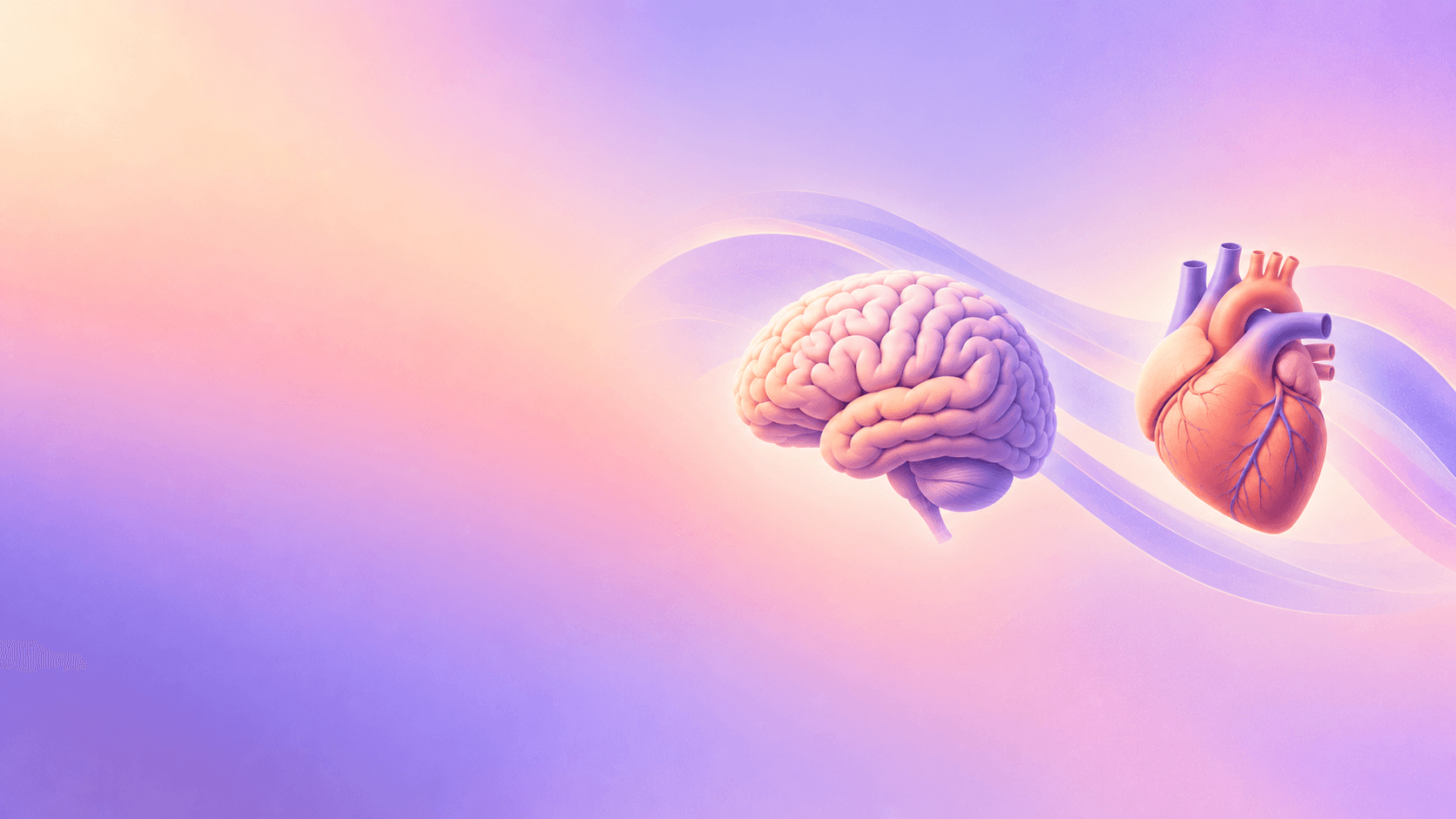
The Clot Connection: Thrombosis, Heart Attack, and Stroke
Blood clots play a major role in myocardial infarction (MI), or heart attack. Over time, the coronary arteries can develop plaques, a buildup of cholesterol, fibrous tissue, and inflammatory cells, in a process called...
Read
Weight Loss Medications and Heart Disease Risk
Diabetes and obesity are two conditions that can raise the risk for both heart disease and blood clots. Now, a new class of medications called glucagon-like peptide-1 receptor agonists (aka GLP-1s ) has been getting a lot of...
Read
Hormones, Blood Clots, and Heart Health – What’s Menopause Got to Do With It
Menopause brings about many changes – some expected, others surprising. For women with a history of blood clots, heart disease, or other vascular risks, navigating this transition requires both knowledge and support.
ReadThe community
Good conversations. People who understand.
Connect with people who understand, share experiences, and ask what’s on your mind.







Your questions belong here.
Meet the people behind the questions in Heart Attack.
Finding your community…