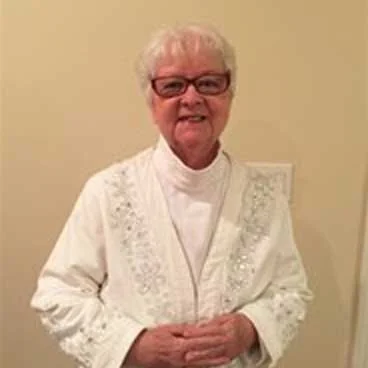
“My daughter helped me understand my complicated condition and made me feel safe.”
Nancy
3 min read
On September 13th, just two days before her 70th birthday, Nancy Marriott was rushed to the emergency room in Boulder, Colorado with extreme shortness of breath. She had been near fainting during short trips to the bathroom, could only sleep sitting up, and experienced constant dizziness. Nancy was in very bad condition, having neglected her symptoms for weeks, instead attributing them to other existing health issues.
Earlier in August, Nancy had been struck by a bout of excruciating trigeminal neuralgia, a nerve pain disorder affecting the facial area. To avoid triggering the unbearable pain, she remained in bed for most of the month, staying as still as possible. Little did she know that this prolonged bed rest, combined with other risk factors like obesity, high blood pressure, and diabetes, would lead to the ‘perfect storm’ for clotting.
In this special interview, Kat and her mother, Nancy, share their perspectives as caregiver and patient.
On a scale of 1-10, you are like an 8.5
Kat: As Nancy’s daughter, I will never forget hearing the attending doctor quantify my mother’s condition in such a morbid way: “On a scale of 1-10, 10 being drop dead instantly, you are like an 8.5.”
Impressed by how close my mother came to death, the doctor scribbled diagrams of her two massive saddle PEs on a whiteboard, demonstrating how the obstructions prevented blood and oxygen from reaching her lungs. Seeing my mother in a hospital bed, skin completely gray, trying to comprehend it all but looking so confused and defeated, broke my heart.
Nancy: I was terrified. I also felt confused because I didn’t fully understand the relationship between the clots, the compromised oxygen levels, and the right heart strain. I just felt very overwhelmed at the diagnosis and upset that I hadn’t known the risks beforehand.
Nancy: My daughter and my medical team were the most important. PE/DVT can be a lot for one person to handle alone, both emotionally and physically. My daughter helped me understand my complicated condition and made me feel safe. She encouraged me to move forward and develop a healthier lifestyle. My medical team was both patient and kind.
Kat: While it’s easy to freak out when a loved one is sick, it’s important to harness that anxiety and turn it into fuel for education. Learning about their condition is a great way to help. You’ll be in a better position to assist with decision-making, medications, scheduling doctor’s appointments, identifying possible worsening symptoms, and providing support throughout the treatment process.
Kat: She has made amazing progress. I don’t think I’ve ever seen her so proactive about her health. She’s out walking laps, staying out of bed, eating a low-fat, low-sodium diet (she’s lost 30 pounds!), lowered her blood pressure, and stays on top of her INR testing. These changes are essential in preventing a recurrence.
Nancy: Understand that health problems have a way of snowballing into greater problems if they aren’t handled properly, and sometimes even when they are. Blood clots frequently occur alongside conditions like obesity, diabetes, cancer, and inflammatory bowel disease. These conditions create a great challenge, but it’s important not to give up on your health and to be vigilant about new symptoms.
Has something like this happened to you?
Your experience could be the reassurance someone else is searching for right now.
Share your storyMore stories
All stories
“I don't look like what I've been through.”
Pam Parker was wrestling on the couch with her daughter and a few friends, just an ordinary afternoon of fun, when her daughter pointed at her foot.

“I'm proud of what I've done, but I'd suggest that people take a step back and evaluate why they're doing what they're doing.”
It was a warm Saturday in mid-June when Steve noticed that something was “off.” As an avid athlete, he’d spent years participating in triathlons – multi-sport races that incorporate biking, swimming, .
“I can't do justice to the overwhelming sadness and loss we feel as Steve's family and broad circle of colleagues and friends.”
My husband, Steve Brenner, died of a massive pulmonary embolism on 8/15/16 while waiting for a hip replacement. This was preventable.