
Blogs & Articles
Plain-language reads on blood clots, treatment, recovery, and living well.
All articles
15 articles
15 articles found. Showing 12.
 Blood Clots
Falls and Anticoagulation: What You Should Know
Anticoagulants, also known as blood thinners, are effective in treating and preventing blood clots, but they increase the risk of bleeding.
Read Atrial Fibrillation (AFib)
When Bleeding is a Nuisance
Anticoagulants (blood thinners) can be lifesaving if you have atrial fibrillation (Afib) or a history of blood clots.
Read Atrial Fibrillation (AFib)
Treatment Options for Atrial Fibrillation: What Patients Should Know
Atrial fibrillation (AFib) is a common heart rhythm problem that causes the upper chambers of the heart to beat unevenly. When the heart doesn’t beat in a steady way, blood may not flow as it should.
Read Atrial Fibrillation (AFib)
Not Sure What to Ask at Your Visit?
Use this guide to help you prepare. These questions are meant for anyone who wants to better understand their heart and blood vessel health, whether you’re newly diagnosed, managing ongoing risks, or just trying to stay healthy.
Read Heart Attack
Skip the Floss, Risk the Clot? The Surprising Link Between Oral Health and Heart Disease
We spoke with Dr. Souvik Sen, Professor and Chair of the Department of Neurology at the University of South Carolina School of Medicine, to explore the connection between oral health and cardiovascular risk, including how...
Read Atrial Fibrillation (AFib)
Wearable Devices and Heart Health: What’s The Buzz?
Wearable devices (smartwatches and fitness trackers) can tell us a lot about ourselves, from how many steps we’ve taken in a day to how much water we’ve had and how many calories we’ve burned. But can they accurately flag heart abnormalities? We spoke with Dr. Daniel Yazdi from Brigham and Women’s Hospital to find out more.
Read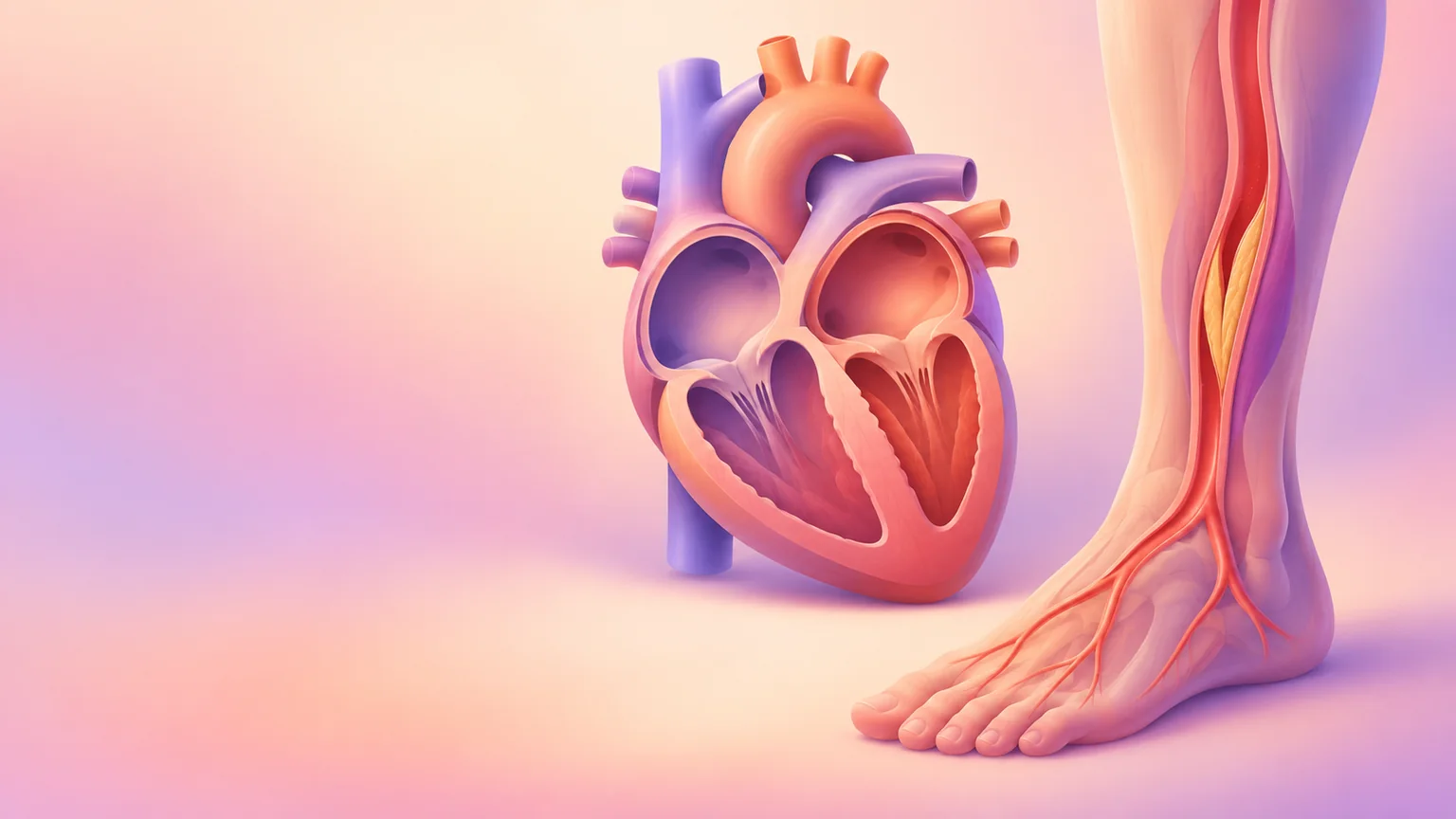 Atrial Fibrillation (AFib)
September is PAD and AFib Awareness Month
Peripheral artery disease (PAD) is a condition that’s unknown to many, yet it affects more than 230 million people worldwide. In the U.S.
Read Atrial Fibrillation (AFib)
Atrial Fibrillation: A Patient’s Guide
Did you know that September is Atrial Fibrillation (Afib) Awareness Month?
Read Heart Attack
The Clot Connection: Thrombosis, Heart Attack, and Stroke
Blood clots play a major role in myocardial infarction (MI), or heart attack. Over time, the coronary arteries can develop plaques, a buildup of cholesterol, fibrous tissue, and inflammatory cells, in a process called...
Read Atrial Fibrillation (AFib)
Device Profile: The Watchman Device
The Watchman is a permanent implant placed in the left atrial appendage of a patient’s heart. After experiencing atrial fibrillation, the left atrial appendage is where thrombosis is most likely to develop in the heart.
Read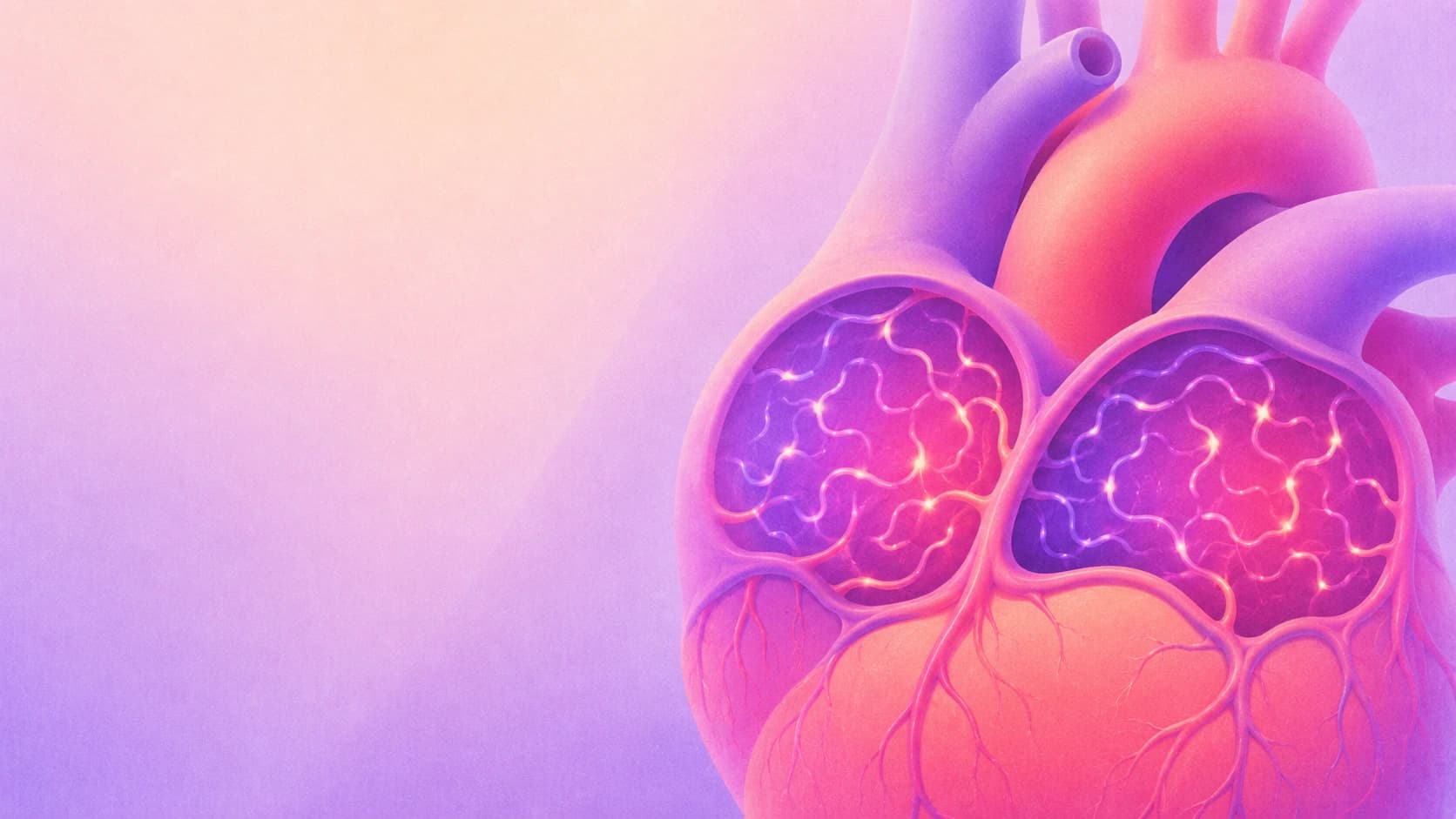 Atrial Fibrillation (AFib)
The Good, The Bad, and The Ugly of Atrial Fibrillation
Dr. Steven Deitelzweig discusses opportunities for improving anticoagulant management, an evidence-based risk assessment, how pivotal trials and guidelines are used to select oral anticoagulants (OAC). He also provides information on selecting the right OAC for patients, how to manage bleeding events on a OAC, and strategies for an effective transition of care.
Read Atrial Fibrillation (AFib)
Ask The Expert: Julie Anderson, MD and the role of a PCP
Julie Anderson, MD, FAAFP is a primary care physician (PCP) specializing in Family Medicine. She discusses the role of PCPs in managing chronic conditions such as blood clots, atrial fibrillation, and cardiovascular disease.
Read